

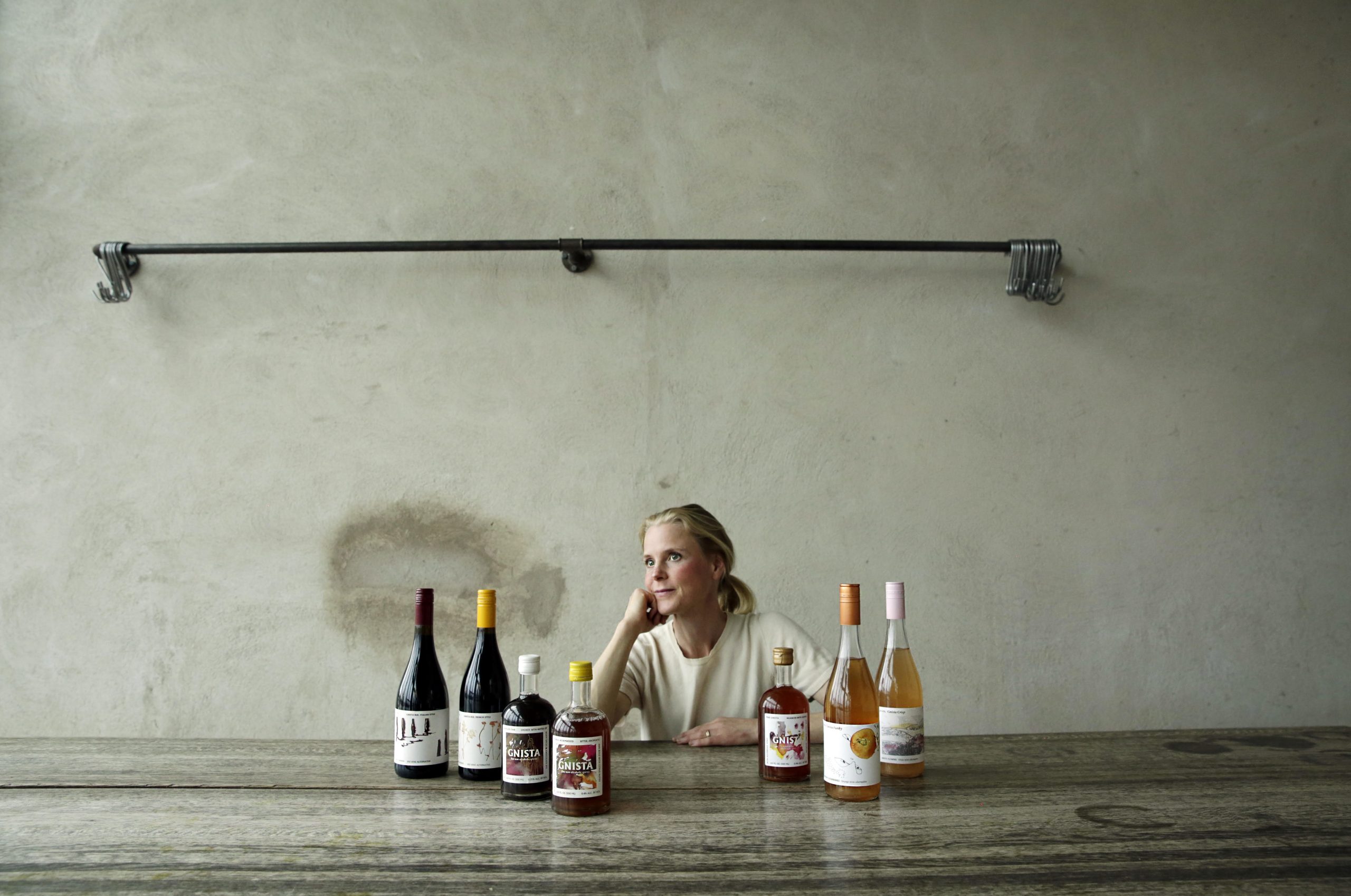

Erika Eklundh, Founder and CEO of Gnista Spirits AB, on challenging the assumptions behind alcohol-free drinks, building a business around instinct and experience, and why the next chapter of the no/low-alcohol market may be global.
When Erika Eklundh founded Gnista Spirits, the ambition was not simply to create another alcohol-free alternative. It was to question the premise that removing alcohol should also mean compromising on flavors, complexity or the social experience of drinking. Eklundh had been working in the non-alcoholic sector since 2015 and saw an emerging category that was increasingly relevant, but still largely defined by health-conscious consumption. Her response was to approach alcohol-free drinks from a different direction: through flavor, craftsmanship and the culture of cocktails.
Today, Gnista has expanded beyond its original spirits range to include four alternative wines, while the company has shifted some of its focus from challenger positioning towards sales, distribution and international growth. Eklundh believes the broader no/low-alcohol movement is still in its early stages, with Europe leading a trend that is spreading unevenly across global markets. In this interview, she discusses entrepreneurship, leadership, failure, instinct and where she sees the next opportunities for the category.
What was the original idea behind Gnista Spirits?
Gnista was created in Sweden with one goal: to craft non-alcoholic spirits with the same depth, attitude and complexity as the real thing. I had been deeply involved in the non-alcoholic world since 2015. When the first alcohol-free “spirits” appeared, we ordered them immediately. Then came similar products that were light, botanical and soft on the palate, clearly created for the health-focused consumer. They were good, but something was missing. People who genuinely cared about flavor and the drinking experience were being overlooked. I mean people who love cocktails, people who enjoy complex and challenging flavors, people who want to participate in the moment without necessarily drinking alcohol — and, at the centre of it all, bartenders and mixologists who treat drinks as an art form.
These gifted people didn’t need a replacement. They deserved something worthy. That is where Gnista was born.
What continues to drive you as an entrepreneur?
I want to be part of the driving seat for positive societal change. For me, that is more interesting than simply building a company for the sake of building a company. The opportunity to influence how people think about drinking, and to make alternatives genuinely enjoyable rather than merely functional, is a powerful motivator.
What has been your biggest career highlight?
One moment that stands out was when Bloomberg listed Gnista as one of the key players in the non-alcoholic industry in 2023. That meant a great deal to me because Gnista started as an idea based on gut feeling — although gut feeling is often the result of many years of experience. The concept, recipes and methodology were very much my own. To see the company recognized externally as part of a broader industry was a particularly rewarding moment.
What characteristics do you believe an entrepreneur needs?
Three things: stamina, a relaxed attitude and the ability to prioritize. Business rarely contains enough things that are truly important to justify being stressed about everything. You need stamina because building a company takes time, but you also need to remain calm enough to distinguish between what really matters and what doesn’t.
And prioritization is crucial. You cannot keep every ball in the air equally well. The important thing is making sure you don’t drop the ones that matter.
How has your original vision for Gnista evolved?
The original vision was to challenge the drinking industry, starting with the liquid itself, and in doing so help create a genuine market within the no/low space.
Over time, the business has become more focused on growing sales and expanding the range while maintaining the quality of the liquids. We now have four alternative wines in the range as well as spirits, so the proposition has naturally broadened.
There is also somewhat less emphasis on the challenger attitude than there was in the early days. As a company develops, you have to balance challenging the market with building a sustainable commercial business.
How do you balance short-term results with long-term strategy?
Define the long-term strategy and then stick to it. That sounds simple, but it is not always easy. It comes back to prioritisation. You have to be able to distinguish between something that is genuinely important for the business and something that merely feels urgent in the moment.
If you were starting Gnista again today, what would you do differently?
I would raise more money at the beginning — still from family and friends rather than venture capital — so that we had more fuel to make a bigger impact. Instead, we ended up making many small issues of shares when money was needed for operations. Having more capital available from the start could have allowed us to move faster and create greater impact earlier.
What principles guide your leadership style?
Freedom combined with a high level of personal responsibility. I don’t believe in micromanagement. People need room to operate, but that freedom has to come with accountability.
How do you keep your team motivated when things become difficult?
I tend to keep quiet, listen and encourage people to let things out when they need to. Leadership isn’t always about having the answer or giving another speech. Sometimes people simply need to be heard before they can move forward.
How do you decide which ideas are worth pursuing?
Gut feeling — but again, gut feeling is based on experience. I also pay close attention to the people involved. The character of potential partners, their capabilities and, importantly, their ability to communicate can tell you a great deal about whether an idea has a chance of succeeding.
Has a failure ever turned into an unexpected opportunity?
There have been too many small failures to remember them all. And, she adds with a positive laugh, all of them are yet to turn into unexpected and exciting opportunities.
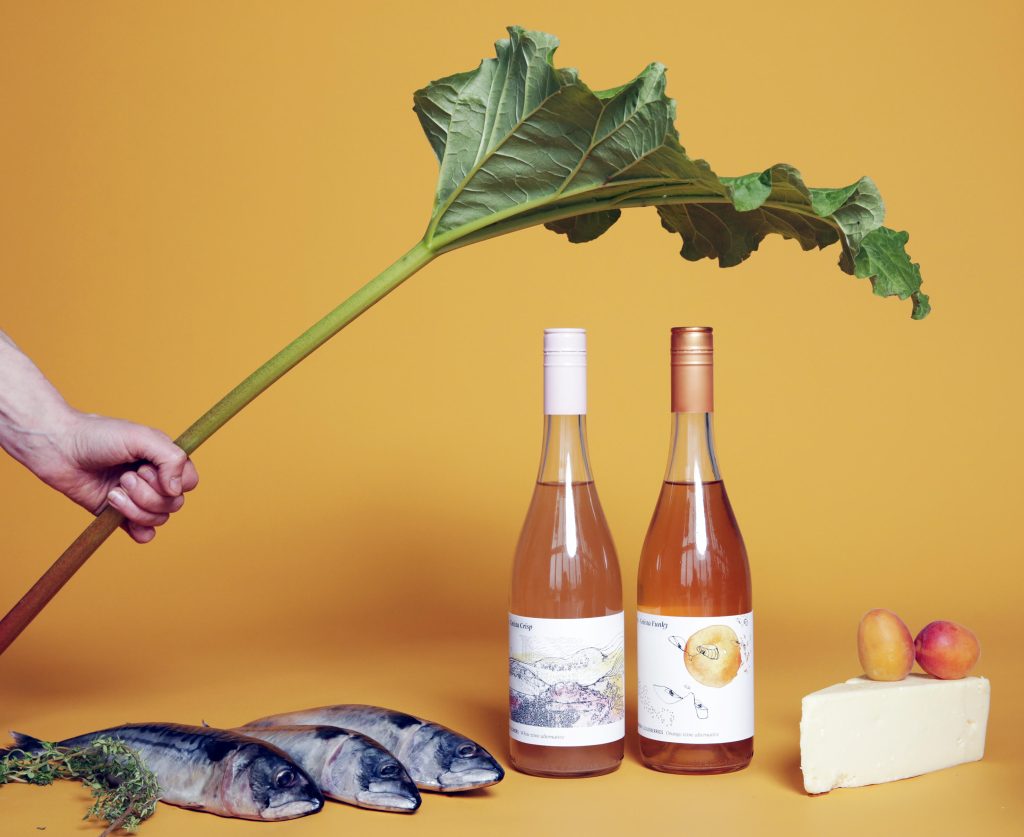
Alcohol-free spirits and beverages by Gnista Spirits
What has been the toughest moment in your entrepreneurial journey?
When I was 29, pregnant, I realised that a business idea I had worked on for a long time was not going to work. It wasn’t because the idea wasn’t good enough, nor because the people involved were the wrong people or lacked competence. The Swedish FDA contacted me and threatened to have its lawyers stop what I believed was a completely legal business. Being pregnant, I was probably a little more emotional than I otherwise would have been. But even then, I didn’t take business too seriously. I brushed it off and moved on. That experience probably says something about my general attitude towards entrepreneurship. You have to care deeply about what you are building, but you also have to retain a certain perspective.
What is the most underestimated factor in building strong teams?
Trusting instinct rather than relying exclusively on CVs or recommendations. Qualifications and previous experience obviously matter, but they don’t tell you everything about a person. Sometimes your instinct about someone — how they think, communicate and interact with others — is more revealing.
How do you create a culture that combines accountability with creativity?
By being present as a leader without micromanaging. People need to know that the leadership is there and paying attention, but they also need enough freedom to make decisions, experiment and take responsibility for the outcome.
How do you attract and retain exceptional talent?
That is something I still need to learn. There is no point pretending otherwise. It is an area where I believe there is always room for improvement.
Where do you see the biggest opportunities for the no/low-alcohol industry over the next five years?
Travel retail is particularly interesting, as is being present when new geographical markets open up to the non-alcoholic wave. Europe is currently leading that wave, but it is global and spreading unevenly. Different markets are at very different stages of development, which creates both challenges and opportunities for companies that are prepared to enter them at the right time.
If resources were unlimited, what would you invest in first?
First, I would put more resources into supporting our importers across all markets. They are very good at selecting and understanding Gnista, and it is generally a highly cost-effective investment. That could mean in-market sales support, attending fairs or other activations. It makes a significant difference both to their motivation and to sales.
Second, I would continue improving the liquids while working on sourcing — bottles and other components, for example — with the objective of simultaneously improving the products and reducing the cost of goods. Third, I would build on the existing brand platform with one or two major campaigns designed to create greater global visibility and reclaim some of the challenger position we had in the early days.
What do you believe is next for Gnista?
The next phase is about combining the challenger spirit with the discipline required to grow a global business. We have moved beyond the original idea of simply proving that sophisticated non-alcoholic spirits can exist. The opportunity now is to demonstrate that they can become a meaningful part of the broader drinking culture — across different occasions, markets and consumer groups.
Finally, what legacy would you like to leave as a leader and entrepreneur?
That I dared to try anything. Build a solid foundation, then be prepared to dive in and work hard. For me, entrepreneurship is ultimately about having the courage to try, the discipline to build something properly, and the willingness to get involved when the situation demands it.

