

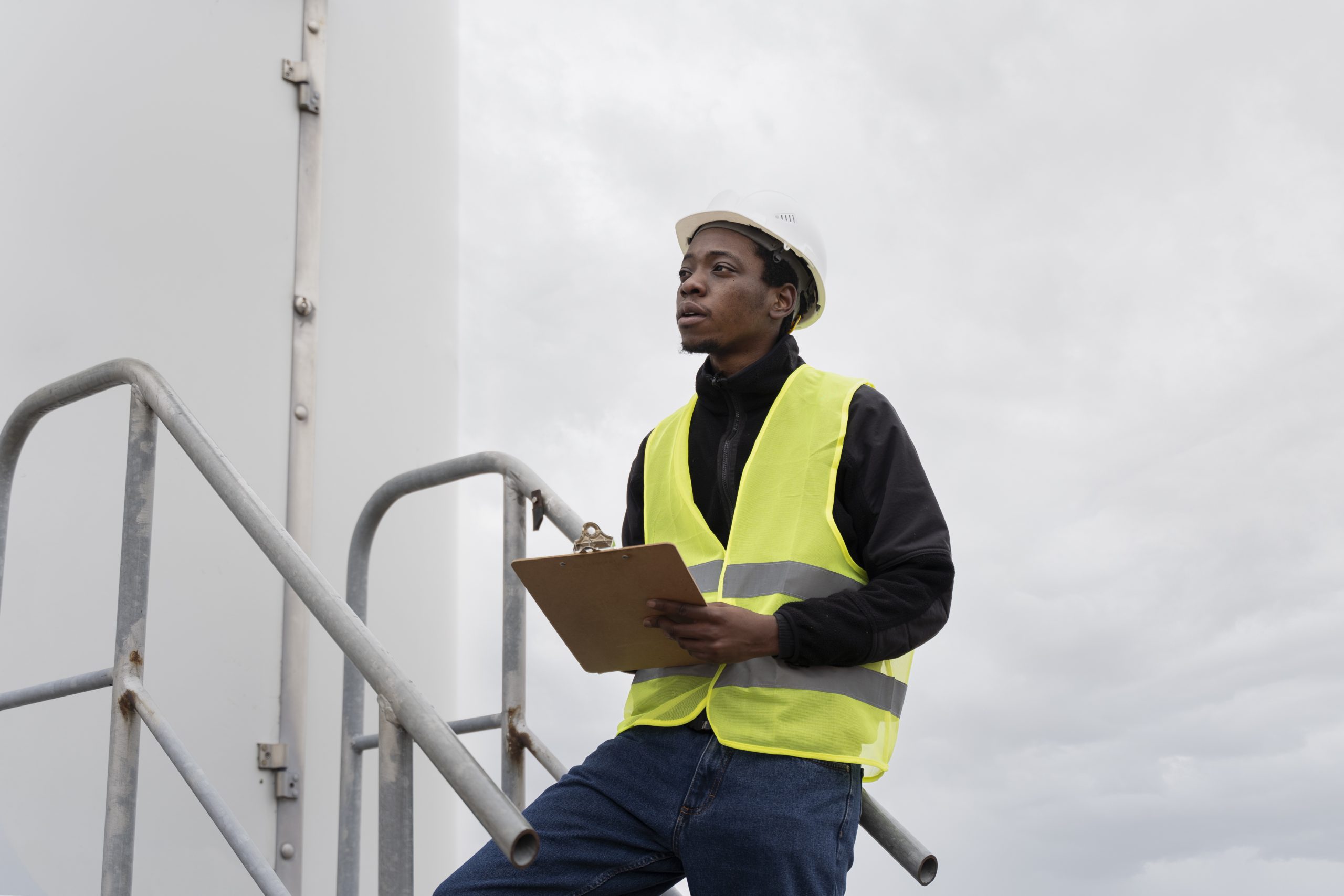

On the outskirts of Lagos stands an industrial giant representing the largest economic bet in Nigeria’s history: Aliko Dangote’s oil refinery. With a cost exceeding $19 billion, this megaproject is not only the largest refinery in Africa, but also a symbol of one man’s ambition and a nation’s hope to rewrite its energy and economic future. Its launch, however, has been marked by both monumental expectations and enormous operational challenges.
The dream of energy independence
Ironically, despite being one of Africa’s largest crude oil producers, Nigeria has relied for decades on importing refined products like gasoline and diesel, a situation that has drained state coffers. The Dangote refinery is designed to change this radically. With the capacity to process 650,000 barrels of oil per day, it can meet 100% of domestic fuel demand. The main economic impact will be massive foreign exchange savings, strengthening the local currency and allowing the government to phase out costly fuel subsidies that have distorted the economy for years.
The vision of an entrepreneur: Aliko Dangote
Understanding this project requires understanding the man behind it. Aliko Dangote, Africa’s richest person, built his empire in basic sectors like cement and food, following a philosophy of economic nationalism: producing locally what Nigeria consumes. The refinery is the culmination of this vision, an unprecedented investment project aiming not only to generate profits but also to cement the country’s industrial sovereignty. It is a personal bet against inertia and structural issues that have historically held back Nigeria’s development.
The obstacles of an industrial giant
Despite its official inauguration, bringing the refinery to full capacity has been a challenging path. The most surprising hurdle has been securing a steady supply of local crude. Although Nigeria is a major producer, many of its extraction agreements are tied to exports, and national production has faced issues. This has forced the refinery, in its initial phases, to import crude even from the United States. These supply chain problems and technical adjustments to reach full production show that building the hardware is only half the battle.
A new player on the global energy map
When operating at full capacity, the Dangote refinery will impact not only Nigeria but also regional energy markets. West African nations, which depend on fuel imports from Europe, will have a massive and nearby supplier, potentially lowering costs and strengthening intra-African trade. European refineries that traditionally supplied this region will lose a crucial market, forcing them to seek new clients. Overnight, the plant transforms Nigeria from a net importer into a potential exporter of refined products.
The double bet of the Nigerian colossus
The Dangote refinery is a double-edged bet. On one hand, it represents the promise of an industrial, self-sufficient, and prosperous future for Nigeria. On the other, its complex startup underscores the deep structural challenges facing the country. Its success or failure will not only define Aliko Dangote’s legacy but also serve as a powerful indicator of the future of economic development across the African continent.
Sources:
- Reuters: Dangote’s giant Nigeria refinery awaits local crude in latest hurdle
- Bloomberg: What Dangote’s Giant New Oil Refinery Means for Nigeria and the World
- Financial Times: The $19bn refinery that could change Nigeria’s fortunes
- S&P Global: Nigeria’s Dangote refinery starts refined product sales, reshaping African downstream
- BBC News: Dangote oil refinery: Can it solve Nigeria’s fuel crisis?
Related posts:
- Private Messaging App Session Launches Its Own Crypto
- Geopolitics Drive Gold Demand: Central Banks Turn to Bullion Amid Global Uncertainty
- No, It’s Not 2008: Why the Current Housing Crisis Is Different (and What the Real Risk Is)
- The father of the lithium-ion battery helps solve a problem that has dragged on for four decades

