

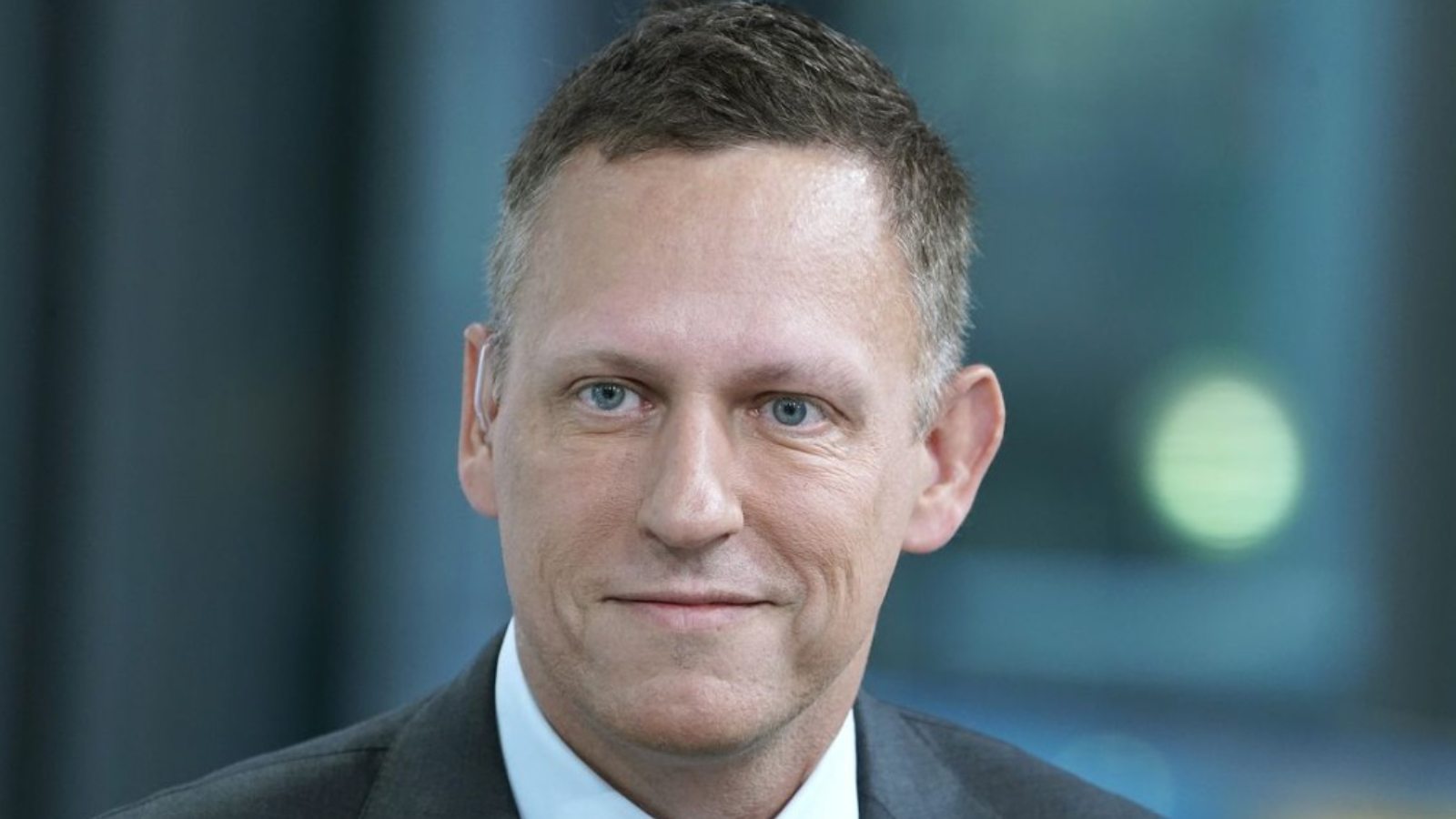

Few names in Silicon Valley provoke as much quiet fascination, and contentious debate, as that of Peter Thiel. While Elon Musk dominates headlines with bombastic public statements and futuristic ventures, Thiel has built an enduring legacy that wields significant power behind the scenes.
His reach extends deep into tech entrepreneurship, venture capitalism, and even the military-defense industry, where his influence shapes both policy and practice. This in-depth article explores Thiel’s multifaceted career, his controversial ties to state and corporate security mechanisms, and the lasting implications of his business philosophy.
Born in Frankfurt, Germany, on October 11, 1967, and raised in the United States, Peter Thiel combined intellectual rigor with a rebellious spirit early on. Educated in philosophy and law at Stanford University, he co-founded The Stanford Review, signaling his commitment to challenging accepted viewpoints.
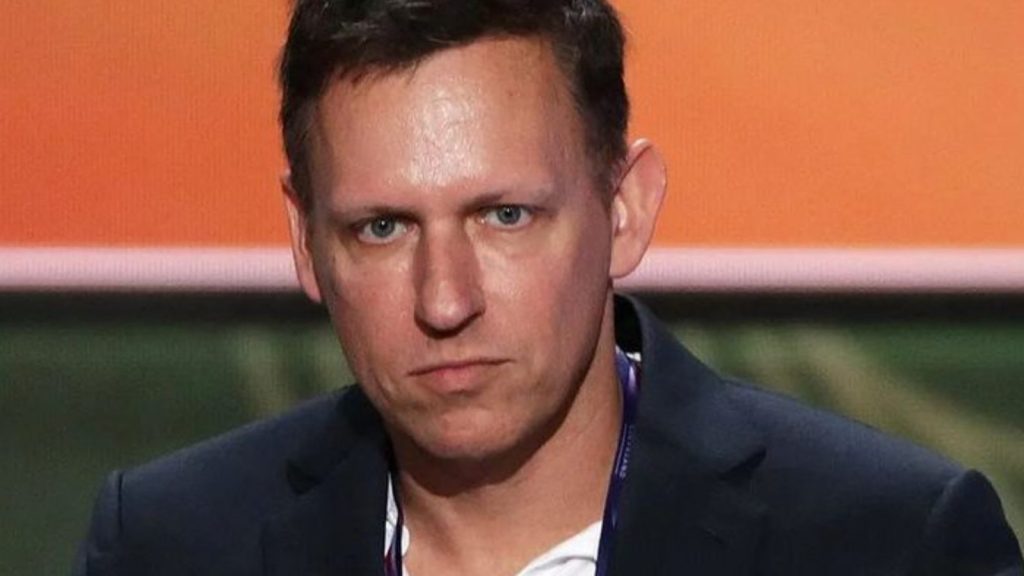
Peter Thiel. Image source: X.
His subsequent career trajectory, from law and finance to founding breakthrough tech startups, showcased a rare blend of contrarian ethics and visionary ambition. His early success with PayPal not only revolutionized online payments but also established him as a founding member of the so-called “PayPal Mafia,” a group whose entrepreneurial exploits still shape today’s tech ecosystem.
Disrupting industries
Peter Thiel’s imprint on Silicon Valley is indelible. With PayPal, he catalyzed the digital payments revolution, setting a precedent for trust and speed in online commerce. Thiel’s subsequent ventures reveal a pattern of embracing risk for transformative reward. Initially launched in 1998 and later acquired by eBay, PayPal became a global standard for digital transactions. Thiel’s stake, reportedly worth tens of millions post-acquisition, provided the capital and credibility for his future endeavors.
Founded in 2003, Palantir represents Thiel’s most high-profile venture. Originally designed to assist intelligence and security agencies in processing vast amounts of data, the company has become a linchpin for U.S. defense and intelligence operations. Palantir’s software is used to analyze everything from battlefield intelligence to immigration data, making it indispensable for modern security strategies.

Paypal app. Image credits: Unsplash.
Furthermore, Thiel’s venture capital firm, Founders Fund, has backed groundbreaking startups including SpaceX, Airbnb, Lyft, and Stripe. His investment in Facebook—being its first external investor in 2004—turned a modest $500,000 into a multi-billion-dollar success, reinforcing his reputation as a visionary who sees potential where others do not.
Beyond pure capital investment, Thiel challenges conventional educational paradigms by sponsoring the Thiel Fellowship, which awards young entrepreneurs to forego college and build innovative ventures. This initiative reflects his belief that real-world disruption often originates outside academic institutions.
In the shadows of defense: Thiel and the military-tech complex
A cornerstone of Thiel’s empire is his deep involvement with defense and intelligence sectors—an area where his influence is arguably more profound, yet less visible, than in consumer technology. As a co-founder of Palantir, Thiel has overseen the development of software platforms that process and analyze vast datasets for U.S. intelligence and military agencies.
Palantir has secured billions in contracts with the U.S. Department of Defense, including multi-hundred-million-dollar agreements to expand its battlefield intelligence capabilities. Its tools are now integral to operations ranging from counterterrorism to predictive analytics, raising both the strategic capabilities of military forces and ethical concerns surrounding mass surveillance.

Palantir logo. Image credits: Unsplash.
Complementing Palantir, Thiel has provided critical early funding for Anduril Industries, a company leveraging artificial intelligence and autonomous systems for defense applications. Valued in the billions, Anduril disrupts the traditional defense contracting model by merging Silicon Valley agility with military-grade technology, a synthesis that encapsulates Thiel’s contrarian vision. Through Anduril, he is actively involved in redefining how modern warfare is conducted, from border surveillance to unmanned combat vehicles.
Meanwhile, the data-driven platforms developed by Thiel’s companies have sparked significant ethical debates. Critics argue that such technologies, while enhancing national security, open the door to unprecedented surveillance and potential violations of civil liberties. The integration of predictive policing and immigration enforcement systems has intensified these concerns, questioning the balance between technological progress and individual rights.
Investment philosophy
At its core, Thiel’s approach to business is embodied in his book Zero to One, where he advocates for creating entirely new markets rather than competing in existing ones, an idea that has resonated powerfully across Silicon Valley. Thiel’s strategy is not simply to outdo competitors, but to render them irrelevant by establishing a monopoly on innovation. This contrarian mindset has allowed him to back ventures that defy conventional wisdom and, in many cases, redefine entire industries.
His philosophy emphasizes monopolization through innovation, as Thiel argues that sustainable success comes from creating products and services that fundamentally change how business is done. This approach contrasts sharply with the cutthroat, incremental progress typical of competitive markets. Additionally, his willingness to invest in highly speculative ideas, whether in digital payments, social media, or military intelligence, has often led to outsized rewards.
Through initiatives like the Thiel Fellowship, he also challenges traditional paradigms of education and career development, fostering an environment where entrepreneurial risk is celebrated rather than stifled.
Political maneuvering and public controversy
Peter Thiel’s influence is not confined to boardrooms and research labs. His political activities have ignited fervent debate and polarized opinions. His support for figures such as Donald Trump, as well as his backing of emerging conservative voices like J.D. Vance and Blake Masters, signals his willingness to reshape political narratives. Donations made by Thiel have provided a financial underpinning to movements that, according to critics, align more with corporate technocracy than with democratic ideals.
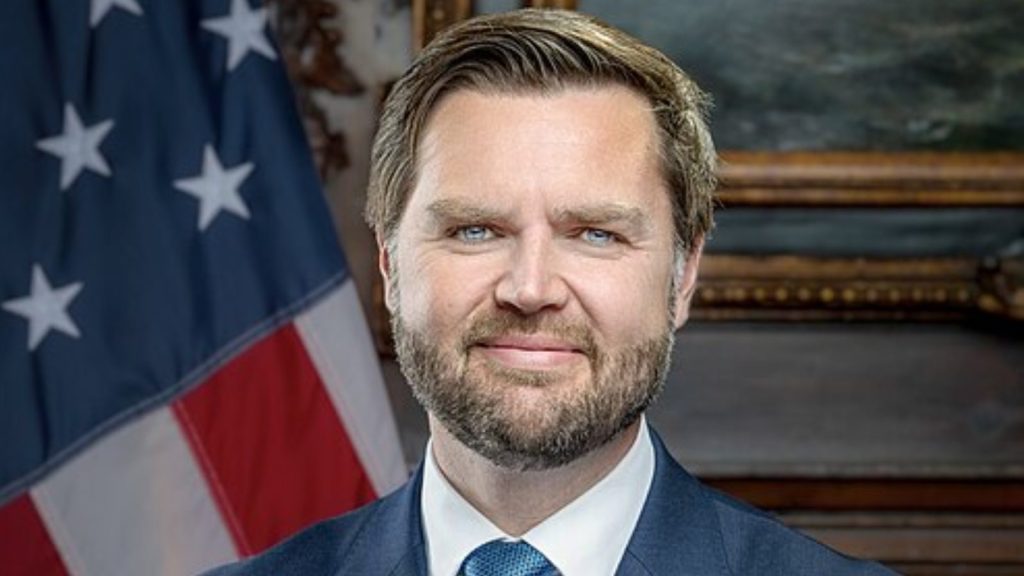
JD Vance official portrait.
Perhaps no episode encapsulates Thiel’s controversial style as starkly as his orchestration of the lawsuit against Gawker Media. By covertly funding Hulk Hogan’s legal battle, Thiel demonstrated a ruthless capacity to use legal means to silence criticism, a move that many see as emblematic of his broader approach to power. Moreover, his involvement in technologies that augment state surveillance has stirred ethical debates. Critics contend that his vision favors a future where immense corporate power, intertwined with government interests, could threaten individual freedoms and democratic accountability.
Silicon Valley and beyond: the legacy
The legacy of Peter Thiel’s influence is multifaceted. On one level, his investments have spurred technological breakthroughs that continue to redefine communication, finance, and warfare. On another, his methods highlight the growing convergence between corporate power and state interests, a trend that poses challenging questions about the future of democracy in an era dominated by data and surveillance.
Thiel’s ventures demonstrate a paradigm shift in the defense industry, where innovation is driven by entrepreneurial ventures rather than traditional military-industrial giants. This shift has the potential to accelerate transformation in national security strategies across the globe. As tech companies increasingly become intertwined with government policy and defense initiatives, the ideological battles that Thiel’s career embodies will likely come to the fore. The debate over whether technology should be used as a tool for surveillance or liberation remains unresolved.
Ultimately, Thiel’s legacy forces society to confront difficult questions about the limits of private power. As his companies expand into previously uncharted domains, both in commerce and warfare, the balance between innovation and ethical accountability will be more important than ever.
Peter Thiel operates in a realm where technology, finance, and power converge. Unlike the more flamboyant public persona of Elon Musk, Thiel’s influence is exerted from behind the scenes. A quiet yet formidable force that shapes the future of innovation and defense. His success in building monolithic tech ventures is matched by his controversial political activism and participation in a defense ecosystem that raises persistent ethical dilemmas.
Sources:
- Palantir’s U.S. Army Contract – The Register
- Palantir Wins $250 Million AI Deal – Yahoo Finance
- Peter Thiel’s Influence in Silicon Valley – Stanford Politics
- Peter Thiel’s Political Contributions – Politico
- Gawker and the Price of Silence – Freedom House
- Ethical Debates on Surveillance – Mother Jones
- Peter Thiel and the Future of Defense – Irish Times
- Zero to One: Peter Thiel’s Investment Philosophy – Medium

