

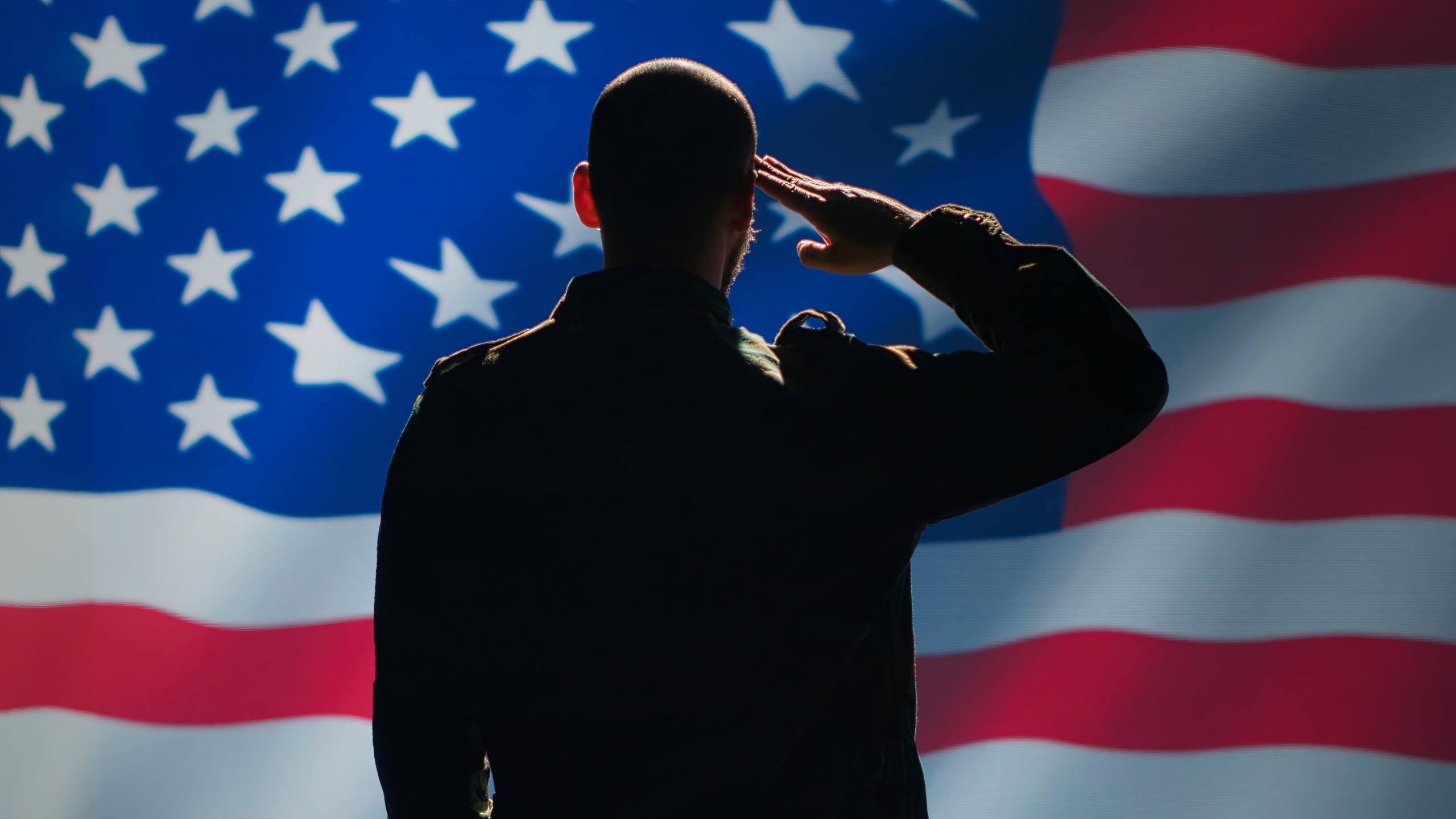

In a move that underscores the deepening ties between America’s tech elite and its military establishment, four top executives from Silicon Valley have been sworn in as lieutenant colonels in the U.S. Army. The new unit, Detachment 201, aims to “fuse cutting-edge technological expertise with military innovation,” according to an official Army statement. The initiative, which began under the Biden administration, has received a significant push from President Trump, who has made no secret of his willingness to blend business and state interests.
The four new recruits, Shyam Sankar (CTO, Palantir), Andrew Boswortz (CTO, Meta), Kevin Weil (CPO, OpenAI), and Bob McGrew (former research director and advisor, OpenAI), will maintain their executive roles in their respective companies while serving as reservists. Their precise duties remain unclear, but both Army officials and U.S. media suggest they will act as an internal consulting force, helping the Pentagon implement artificial intelligence and other innovation mechanisms across the armed forces.
The swearing-in ceremony, which took place just before Trump’s birthday military parade, saw the executives bypass the traditional recruitment process, entering the Army directly as lieutenant colonels. The name “Detachment 201” is a nod to an HTTP protocol, symbolizing the unit’s mission to modernize the military’s digital infrastructure.
From Silicon Valley to the Pentagon
For years, Silicon Valley kept its distance from the defense sector, wary of the ethical and reputational risks. That stance has softened dramatically. OpenAI, for example, reversed its anti-military policy last year to partner with defense contractor Anduril, deploying AI technologies for the U.S. Army. The shift is driven by lucrative government contracts and a White House that openly encourages the convergence of private enterprise and public service.

Artificial Intelligence AI On Circuit Board. Future Technology Concept Visualization. Big Data Transmission Connection. AI Analyzes Technology Digital Data Network Abstract Background. 3d rendering.
The Detachment 201 project was initiated by Bryant Parmeter, a former Walmart executive, in April 2023. Parmeter has a track record of developing recruitment and improvement programs for reservists and veterans. The four executives are expected to serve as the first cohort, with plans to expand the program to include more Silicon Valley leaders in the future.
Blurring the lines between public and private
While the executives have signed anti-corruption agreements stating that their roles in Detachment 201 will not result in personal financial gain, skepticism remains. In a political climate where the boundaries between private business and government are increasingly blurred (President Trump was recently seen promoting Tesla vehicles at the White House) such assurances are met with caution.
There is also speculation that these “military consultants” could influence future Pentagon procurement decisions, potentially favoring companies like Palantir, which already derives a third of its revenue from the Department of Defense.
The creation of Detachment 201 marks a significant shift in the relationship between Silicon Valley and the U.S. military. As the first cohort of tech executives takes up their posts, the line between America’s technological elite and its military leadership grows ever thinner. Whether this will lead to a new era of innovation or raise fresh concerns about conflicts of interest remains to be seen, but one thing is clear: the fusion of tech and defense is now official U.S. policy.
Sources:
- El Economista – https://www-eleconomista-es.cdn.ampproject.org/c/s/www.eleconomista.es/industria/amp/13444009/silicon-valley-desembarca-en-el-ejercito-de-eeuu-trump-recluta-a-directivos-de-palantir-openai-y-meta-para-un-nuevo-destacamento-de-id

