

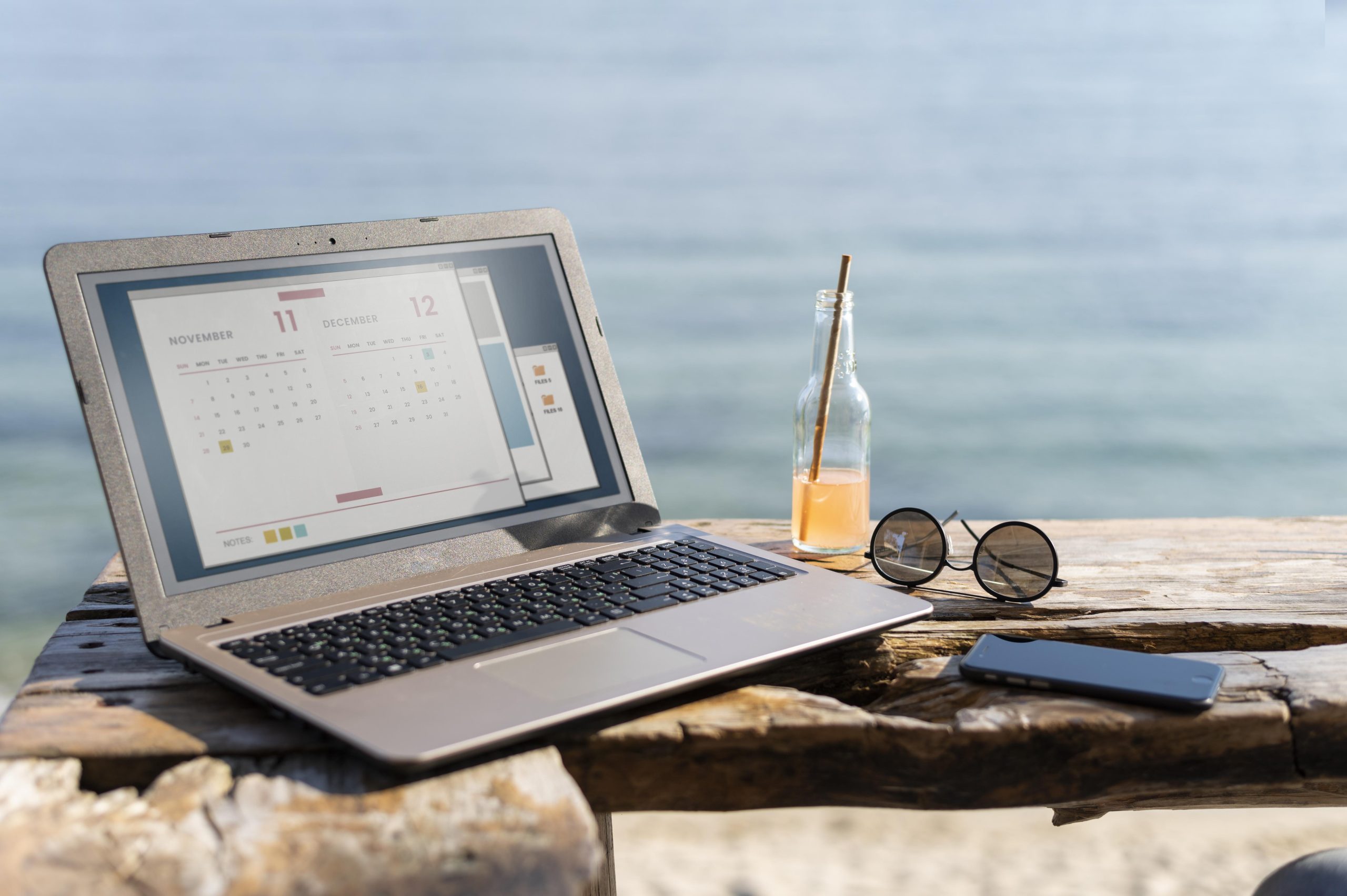

At six in the evening, an entrepreneur shuts down their laptop in a small seaside studio. It’s not the end of an exhausting workday but a conscious choice: to spend the last part of the day walking, reading, or cooking. A few years ago, they would’ve seen that as wasted time. Today, they see it as an achievement.
For years, the world of entrepreneurship moved to the rhythm of hustle culture — working nonstop, sleeping little, and glorifying overexertion. But that narrative is crumbling. The new luxury isn’t about revenue or investor count. It’s about something much scarcer: personal time, mental health, and digital disconnection.
The World Health Organization included burnout in ICD-11 as an occupational phenomenon stemming from unmanaged chronic workplace stress, characterized by exhaustion, cynicism, and reduced professional efficacy (WHO). And Gallup’s annual survey shows that daily stress remains high: in 2024, 41% of employees reported feeling “a lot of stress” the previous day (Gallup, 2024).
The Silent Rebellion Against Hyperproductivity
The movement even has a name — though it sounds paradoxical —: slow entrepreneurship. It’s not about slowing down out of laziness, but out of strategy. Modern founders understand that creativity, clarity, and energy only thrive when there’s mental space.
Startups that once bragged about 80-hour weeks are now introducing digital rest policies, four-day workweeks, and emotional well-being programs. The data supports this shift: recent research in Harvard Business Review treats stress as a business risk, not just an HR issue, recommending a redesign of work to protect attention and energy (HBR, 2025).
Time as a Status Symbol
For decades, wealth accumulation defined success. Today, the new status symbol is the freedom to choose how and when you work. Labor preference data shows that flexibility has become a core value for knowledge workers. Reports from Future Forum (Slack) already pointed this out in 2022–2023: more flexibility means less burnout and a better culture (Future Forum Pulse).
At the same time, remote and distributed work have consolidated as drivers of well-being. In Buffer’s State of Remote Work, the main advantage cited by professionals is time management flexibility (22%), followed by location freedom (19%) and choice of workspace (13%) (Buffer, 2023).
Health as a Competitive Advantage
This “new luxury” is also a pragmatic response to reality: burnt-out founders make worse decisions. Academic literature links chronic stress to impaired judgment and problem-solving; reviewing research on burnout helps separate evidence from myths (Bianchi et al., 2023).
Beyond the clinical view, executive stress management translates into business value: lower turnover, higher retention, and better customer experience. Companies that institutionalize rest, boundaries, and focus work with greater quality — not necessarily longer hours. As Gallup (2024) puts it: organizational design and leadership explain much of the variation in negative emotions and engagement.
Disconnect to Reconnect
Digital disconnection has become a high-performance practice. Common policies include: no-meeting windows, limited after-hours notifications, and fully offline vacations. It’s not romanticism — reducing noise enhances deep focus and product quality.
Technology, when used wisely, frees time instead of consuming it. In our applied cybersecurity piece, we explained how adopting zero-trust and automation approaches prevents constant “firefighting” and restores focus on what truly matters (Zero Trust: A Practical Guide).
A Luxury You Can Build
Unlike material luxury, the “new luxury” doesn’t depend on inheritance or funding rounds. It depends on intentional decisions: delegating, automating, simplifying, and making space to think.
In the end, success isn’t measured in hours — it’s measured in sustained energy.
Related posts:
- Edge computing and the future of decentralized work
- The president of the Entertainment Software Association explains the challenges of holding E3 as a digital event
- Tesla Sales Tank in Europe: Musk’s Politics Cost Him a High Price
- Netflix to Invest €1 Billion in Spain by 2028, Boosting Local Industry

