


The Eurovision Song Contest represents far more than just a musical competition. It’s a complex economic ecosystem where national interests, corporate sponsorships, and broadcasting revenues intersect. The voting results of this year’s festival, celebrated last May 17, have made this clearer than ever, according to many critics of the event. This analysis explores the financial underpinnings of Eurovision, with special attention to Israel’s controversial participation and the role of key sponsors.
Eurovision operates through multiple revenue streams that benefit both organizers and participating broadcasters. Countries pay tiered participation fees based on their economic status—larger nations like Germany contribute significantly more (€473,000 in 2023) than smaller countries like North Macedonia (€39,000). These fees help fund the production, but represent only part of the economic picture.

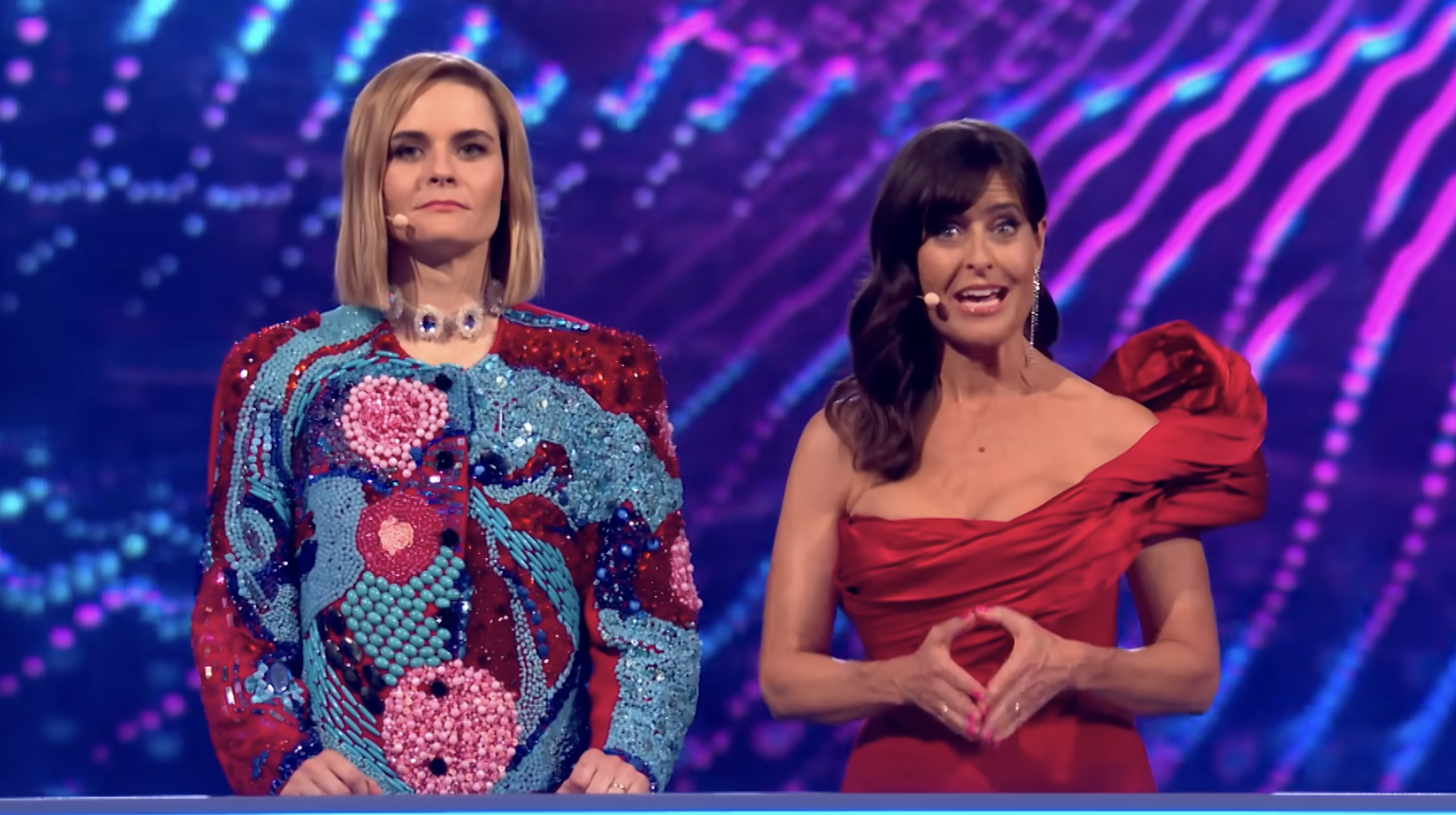
Eurovision Control Room. Image credits: Eurovision’s YouTube Channel.
The European Broadcasting Union (EBU), which organizes Eurovision, generates substantial income through television rights, with the contest drawing over 160 million viewers annually. For national broadcasters, Eurovision represents cost-effective prime-time content that delivers exceptional ratings.
The Moroccanoil controversy
At the center of Eurovision’s sponsorship structure sits Moroccanoil, the official presenting partner since 2020. Despite its name suggesting Moroccan origins, Moroccanoil is an Israeli-owned cosmetics company founded in 2008 by Chilean-Canadian Carmen Tal and her then-Israeli husband Ofer Tal.
This sponsorship has become increasingly controversial. According to Spanish newspaper Público, “The UER has refused to disclose the figure of the contract with Moroccanoil,” while activist groups like Boycott, Divestment and Sanctions (BDS) have accused the company of “manufacturing its products in Palestinian territories occupied by Israel” (Público).
Moroccanoils’s sponsorship of Eurovision
The Sun reported allegations that Eurovision refused to exclude Israel from the competition partly because “it could lose its prime sponsor, Moroccanoil,” which has “stumped up millions of pounds to stage the contest each year since 2020” (The Sun).
Aside from Moroccanoil, other significant partners of Eurovision are pharmaceutical Novartis, cruise line Royal Caribbean, liquor brand Baileys, and renting platform Idealista.
Tourism impact and host city economics
Hosting Eurovision delivers substantial economic benefits. When Liverpool hosted in 2023, the city welcomed over 306,000 visitors, generating £54.8 million during Eurovision week and an additional £11.1 million from repeat visitors over the following year.
For Malmö in 2024, the Swedish city received an economic turnover of €40.6 million in tourism-related spending. In the case of Basel (Switzerland, host of this 2025 ESC), the city saw hotel bookings increasing by 280% and room rates more than doubling during Eurovision week. The city allocated CHF 35 million for infrastructure, security, and event management, viewing this as an investment in long-term tourism growth.
Televoting: a revenue stream for broadcasters
National broadcasters earn significant income through televoting, where viewers pay to cast votes for their favorite performances. In Estonia, for example, televoting during the national selection process generated €281,000 in 2022. While broadcasters share this revenue with the EBU, it represents an important income source that helps offset participation costs.
Additionally, Eurovision’s massive viewership allows broadcasters to command premium rates for advertising slots during the broadcast, further enhancing the economic value of participation.
Israel’s controversial participation
Israel’s continued participation in Eurovision has sparked significant controversy, particularly in light of the ongoing conflict in Gaza. While Russia was excluded from the 2022 contest following its invasion of Ukraine, the EBU has maintained Israel’s right to compete.
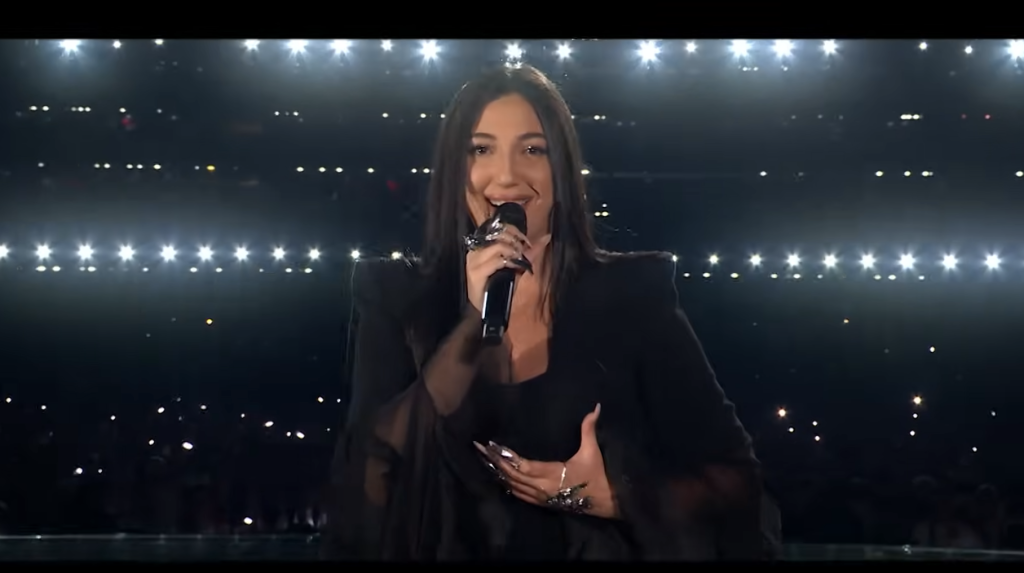
Yuval Raphael (Israel) in Eurovision 2025. Image credits: Eurovision’s YouTube Channel.
This decision has led to protests and calls for boycotts. During the 2025 contest in Basel, thousands of demonstrators gathered to protest Israel’s participation, with the World Socialist Web Site reporting that “four thousand artists from five Nordic countries signed a declaration calling for Israel to be excluded” (WSWS).
The controversy extends to Eurovision’s security arrangements, with the Israeli intelligence agency Shin Bet implementing “Operation Hurricane” to protect the Israeli delegation, deploying agents to accompany their contestant throughout the event.
For the 2025 edition, Israel ending up scoring a second place with a huge televote recount, leaving many journalists suspecting that Israel might have used VPN or SIMcard tech to buy votes in other states, manipulating the results.
Sources:
- Público – https://www.publico.es/internacional/financiacion-eurovision-israel.html
- The Sun – https://www.thesun.co.uk/tv/27242508/eurovision-israel-lose-prime-sponsor/
- World Socialist Web Site – https://www.wsws.org/en/articles/2025/05/17/tmzt-m17.html
- HuffPost UK – https://www.huffingtonpost.co.uk/entry/eurovision-2025-controversy-israel-explained_uk_6825ef4fe4b0a8ff0de6ba16
- The Conversation – https://theconversation.com/politics-protest-and-some-seriously-inappropriate-songs-who-gets-censored-at-eurovision-and-who-doesnt-256447
- Eurovision – https://eurovision.tv/mediacentre/release/basel-economic-boost-eurovision-2025
- OGAE Greece – https://ogaegreece.com/israel-eurovision-participation-at-risk/
- Eurovoix – https://eurovoix.com/2024/12/18/israel-kan-privatisation-eurovision-participation-risk/
- Digimind – https://blog.digimind.com/en/insight-driven-marketing/eurovision-2024-analyzing-consumer-sentiment-on-performers-and-sponsorships

